The Bridge
Entrepreneurship, Aliyah, Business and Absorption
We are developing a unique aliyah-absorption project for young adults from the United States — a project that connects social absorption with business activity, built from within the Rosh HaAyin entrepreneurs community.
The Challenge
Absorption difficulties, the cost of living and culture gaps make it hard for young olim to build a life and a business here.
The Need
A program that combines social and business absorption — not just learning the language, but entering the community and the economy.
The Goal
A program that is aware of the difficulties, corrects past mistakes and accompanies young olim step by step.
Why Us
Business activity and a community culture that guarantee real support; a reasonable distance from Tel Aviv; a realistic path into every kind of business — commerce, technology, education and more; and a program leader with personal experience mentoring and guiding families through their first steps in Israel — business, personal and financial.
How
Past experience shows that acclimatization takes time — and in a country like Israel, time means real expenses and eroding savings. Quite a few olim returned abroad because of loneliness and the difficulty of finding a supportive community, but above all because of a negative financial balance that dragged on.
That is why the program is built to "manufacture" time for each participant: reducing costs on one side, and plugging into the social and business community from day one on the other — creating business opportunities in parallel with the job search, consulting, and leveraging each participant's comparative advantages to raise the odds of success.
Why Rosh HaAyin
The history of Rosh HaAyin and the DNA of the city's founders are rooted in a demanding aliyah, absorbed here under hard conditions. Those scars taught us clear priorities — and the best way to honor the past is to act facing the future.
We would be glad to set up a meeting and explain why your community and ours share a deep, broad common ground.
Then and Now
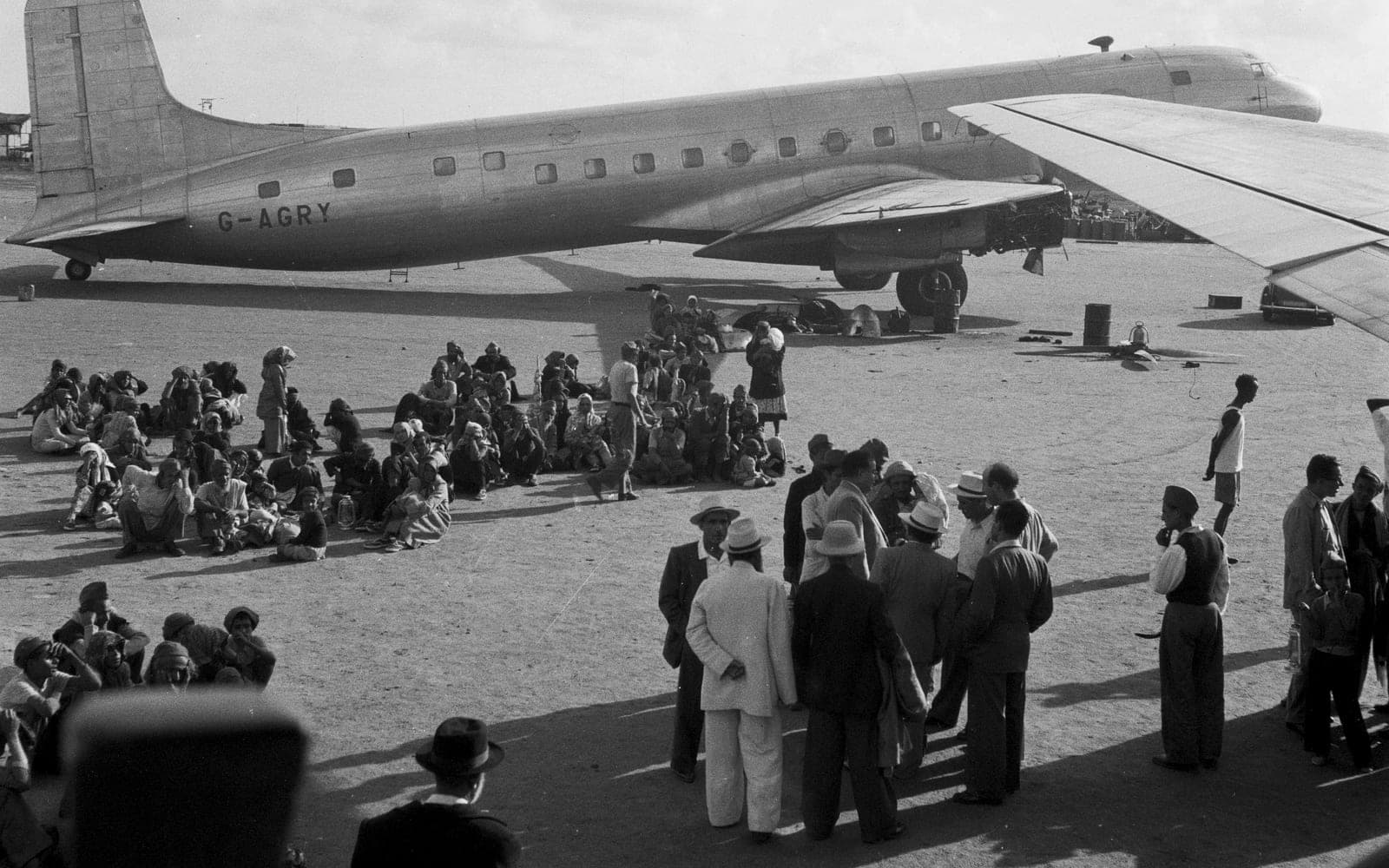
Historical photo: Zoltan Kluger, Government Press Office (public domain) | Contemporary photo: Gustavo Fring, Pexels